
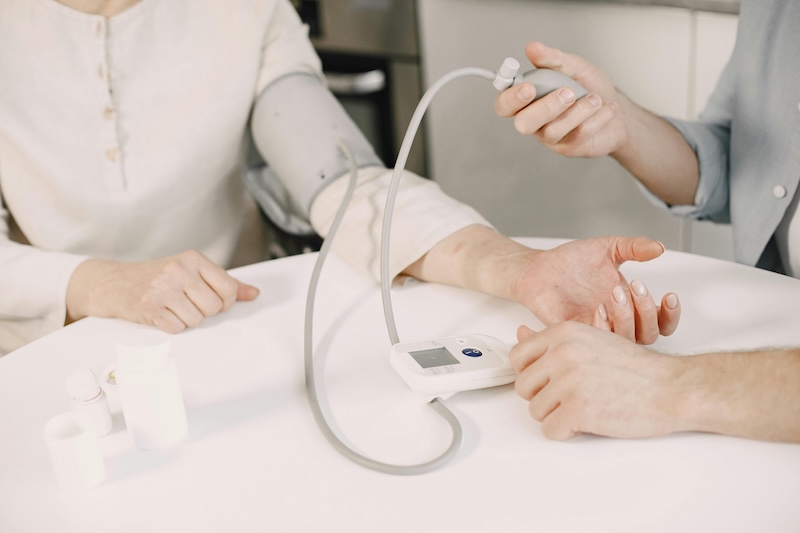
The United States spends more on healthcare per capita than any other developed nation — over $13,000 per person annually, according to data from the Centers for Medicare & Medicaid Services. Yet Americans rank near the bottom of the developed world in life expectancy and chronic disease burden. Heart disease, type 2 diabetes, and metabolic syndrome collectively cost the economy more than $1 trillion per year in lost productivity, absenteeism, and direct medical expenses.
For individuals, the math is starker. A person diagnosed with type 2 diabetes before age 50 will spend, on average, an additional $100,000 in lifetime medical costs compared to a non-diabetic peer of the same income level. Cardiovascular disease is the leading cause of early retirement, often stripping workers of their peak earning years.
The takeaway is not alarmist — it is actuarial. Your health is a compounding asset. Invest in it early, and returns accumulate over decades. Neglect it, and the liabilities come due all at once.
The Four Pillars of Durable Health
Decades of longitudinal research — from the Framingham Heart Study to the Blue Zones investigations — point to a remarkably consistent set of behaviors that separate the healthiest, longest-lived populations from the rest. These are not novel biohacks or supplement stacks. They are foundational, evidence-based, and available to virtually everyone.
1. Sleep: The Undervalued Performance Edge
Sleep is the most underrated lever in human health and cognitive performance. The National Sleep Foundation recommends seven to nine hours of sleep per night for adults, yet roughly one-third of American adults report consistently sleeping fewer than seven hours.
The consequences extend far beyond fatigue. Chronic sleep deprivation is associated with elevated cortisol, impaired glucose metabolism, increased cardiovascular risk, and measurable declines in executive function — the precise cognitive capacities most critical to high-stakes decision-making. Research published in the journal Nature has shown that even one week of restricted sleep causes changes in gene expression related to immune function and metabolic regulation.
For professionals and executives, the irony is significant: the very behaviors associated with “grinding” — early mornings, late nights, chronic under-sleep — are neurologically counterproductive. Matthew Walker, a neuroscientist and sleep researcher at UC Berkeley, has documented that after 16 hours of wakefulness, cognitive performance degrades at a rate equivalent to legal intoxication.
Practical interventions are straightforward: consistent sleep and wake times (including weekends), a cool and dark sleeping environment, and limiting blue-light exposure within 90 minutes of bedtime produce measurable improvements within days.
2. Movement: The Prescription That Outperforms Most Drugs
Exercise is arguably the most comprehensively studied intervention in all of medicine. A landmark meta-analysis published in The Lancet examining over 1.2 million adults found that physically active individuals had 43 percent lower rates of poor mental health and significantly reduced incidence of all major chronic diseases compared to sedentary peers.
The dose matters less than consistency. The American College of Sports Medicine recommends a minimum of 150 minutes of moderate-intensity aerobic activity per week, supplemented by two sessions of resistance training. This amounts to roughly 22 minutes of movement per day — a threshold that is accessible to the vast majority of adults.
The mechanisms are multisystem. Exercise improves insulin sensitivity, reduces systemic inflammation, enhances neurogenesis (the growth of new brain cells), lowers resting blood pressure, and elevates mood through endorphin and BDNF (brain-derived neurotrophic factor) release. BDNF, sometimes called “Miracle-Gro for the brain,” is directly correlated with improved learning, memory, and protection against age-related cognitive decline.
Resistance training deserves particular emphasis for adults over 40. After age 30, individuals who do not actively train lose approximately three to five percent of muscle mass per decade — a condition called sarcopenia. Muscle mass is not merely cosmetic; it is a primary driver of metabolic rate and is strongly predictive of longevity. A 2022 study in the Journal of the American Medical Association found that grip strength — a proxy for overall muscular fitness — was more predictive of all-cause mortality than systolic blood pressure.
3. Nutrition: Returning to First Principles
The modern food environment is engineered for palatability and profit, not nutrition. Ultra-processed foods now account for more than 57 percent of caloric intake in the average American diet. These products — defined by the NOVA classification as formulations containing industrially produced ingredients rarely used in home kitchens — are consistently associated with increased rates of obesity, cardiovascular disease, depression, and all-cause mortality.
The science of optimal nutrition is more contested at the margins than the headlines suggest, but consensus is strong at the center. Virtually every credible dietary framework — Mediterranean, DASH, whole-food plant-based, and others — agrees on a core set of principles:
- Prioritize whole, minimally processed foods.
- Build meals around vegetables, legumes, whole grains, and lean or plant-based proteins.
- Minimize added sugars, refined carbohydrates, and trans fats.
- Limit alcohol, which the World Health Organization now classifies as a Group 1 carcinogen with no established safe threshold for consumption.
Beyond macronutrients, emerging research on the gut microbiome has added an important dimension to nutritional science. The gut is home to approximately 38 trillion microbial cells — roughly equal to the number of human cells in the body. These microorganisms regulate immune function, produce neurotransmitters including serotonin and dopamine, and play a significant role in metabolic health. A diet rich in dietary fiber from diverse plant sources is among the most evidence-backed strategies for cultivating a healthy microbiome.
4. Stress Management and Social Connection: The Overlooked Vital Signs
Chronic psychological stress is not merely unpleasant — it is physiologically destructive. Sustained activation of the hypothalamic-pituitary-adrenal (HPA) axis elevates cortisol and adrenaline, compounds that, at chronically elevated levels, damage the cardiovascular system, suppress immune function, impair memory consolidation, and accelerate cellular aging at the level of telomeres.
The antidote is not the elimination of stress — which is neither realistic nor entirely desirable — but the cultivation of recovery. Mindfulness meditation has accumulated a robust evidence base, with studies showing measurable reductions in inflammatory markers and improvements in amygdala reactivity after as few as eight weeks of consistent practice. Physical exercise, as noted above, is also among the most potent stress-mitigation tools available.
Perhaps surprisingly to some, social connection ranks among the strongest predictors of longevity in the scientific literature. A landmark meta-analysis led by Brigham Young University researchers, examining data from over 300,000 individuals across multiple studies, found that social isolation increases mortality risk by approximately 26 percent — comparable to smoking 15 cigarettes per day. The quality of close relationships is more predictive of health outcomes at age 80 than cholesterol levels, a finding that has been replicated across independent research groups.
Prevention vs. Treatment: The Economic Case
The United States healthcare system is structurally oriented toward treatment rather than prevention. Approximately 97 cents of every healthcare dollar is spent treating disease after it occurs; just three cents goes toward prevention. This is economically irrational.
A 2019 analysis by the Milken Institute estimated that shifting even modest behavioral improvements across the U.S. population — specifically in areas of physical activity, nutrition, and smoking — could reduce the burden of chronic disease by $3.7 trillion over the following decade. For context, that exceeds the annual GDP of Germany.
At the individual level, the calculus is equally compelling. The cost of a gym membership, whole foods, and adequate sleep is, in virtually every case, a fraction of the long-term cost of managing preventable chronic illness. The question is not whether investing in health is worth it — it clearly is. The question is whether the returns are visible enough on a short time horizon to motivate action. For most people, they are not. This is the behavioral gap that public health advocates and employers alike are working to close.
The Bottom Line
The most sophisticated investors understand that capital preservation is as important as capital growth. The same principle applies to human biology. Physical health is not separate from professional performance, financial resilience, or quality of life — it is the substrate on which all of it depends.
The evidence base for healthy living has never been stronger, and the interventions are neither exotic nor expensive. Sleep adequately. Move consistently. Eat food that your great-grandmother would recognize. Invest in relationships. Manage stress with the same rigor you apply to risk management.
The compounding returns on these investments are real, measurable, and durable. And unlike a market correction, they cannot be taken away overnight.
This article is intended for informational purposes and does not constitute medical advice. Readers should consult a qualified healthcare professional before making changes to their health regimen.